House Music
CHICAGO, 1980s
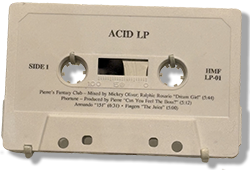
Chicago’s African American, Latino/a/e, and LGBTQIA+ communities developed house music in the late 1970s and early ‘80s. This upbeat music relied on the latest technology, including drum and mixing machines and keyboards. DJs mixed and sampled from disco, gospel, funk, R&B, and jazz music, creating an innovative and inclusive vibe.
Many house music “believers” or “house heads” thought of their favorite music in spiritual terms as they sometimes called going to a house music club “church” or “service.” Directly in the face of homophobia, racism, sexism, and violence, house music followers, artists, and DJs created safe, positive, and supportive spaces around the city.
Spin and Promote
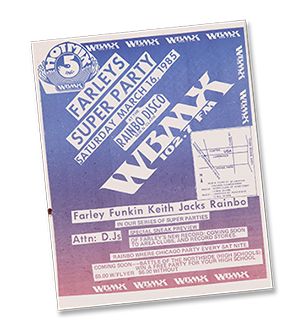
DJ collectives, or crews, performed at house music parties and clubs. The Chosen Few, a group formed in 1977, promoted parties at South Side places such as the Blue Gargoyle and The Loft. In the 1980s, Chicago radio stations such as WBMX featured house music on its airwaves, bringing it to new, younger audiences who could not go to clubs. DJ Celeste Alexander argued that house music “tore down a lot of barriers” of race, class, geography, and sexuality.
Creating Safe Spaces
Chicagoans have made safe spaces and places for their communities in the city. Temporary house music venues, such as churches, hosted events in communities on the South and West Sides. These neighborhood spaces, closer to home and familiar for many, brought teens and young adults together to dance and have fun in celebratory spaces often free of alcohol and other substances. These dance parties helped spread house music’s popularity. DJ Lori Branch got early experience at high school house parties.
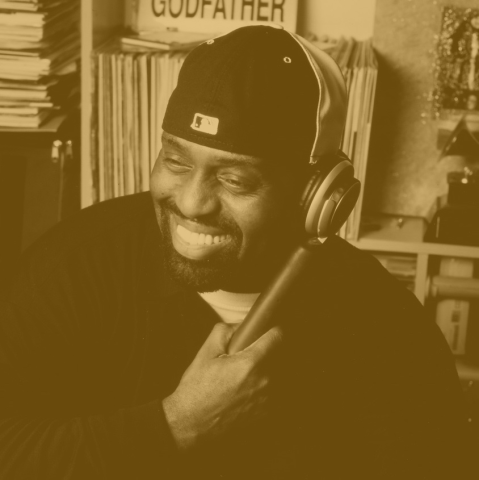
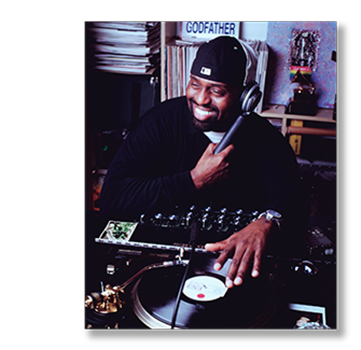
When music promoter Robert Williams opened The Warehouse in the late 1970s, the narrow brick building gave the house music community a home. Legendary DJ Frankie Knuckles spun vinyl creating a place where people could escape the city’s racism and homophobia by losing themselves in dance.
A Legend and His Legacy
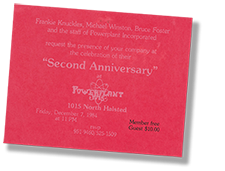
Frankie Knuckles, known as the “godfather of house,” came to Chicago from New York as a young DJ in the late 1970s and grew to international fame. He spun at The Warehouse, The Power Plant, and other clubs. He wove together house beats with sermons or religious speeches, gospel music, and other tracks. Places like The Power Plant challenged the racism and homophobia of some other dance clubs in the city.
Through his music, Knuckles drew Black queer people to the house scene in Chicago. He DJed around the world until his 2014 death. In 2015, his friends created the Frankie Knuckles Foundation. It supports efforts to introduce children to music, to protect LGBTQIA+ youth, and to advocate for HIV/AIDS research. With house music, queer people established physical and mental spaces where they could be themselves dancing, listening, spinning, partying, and DJing.